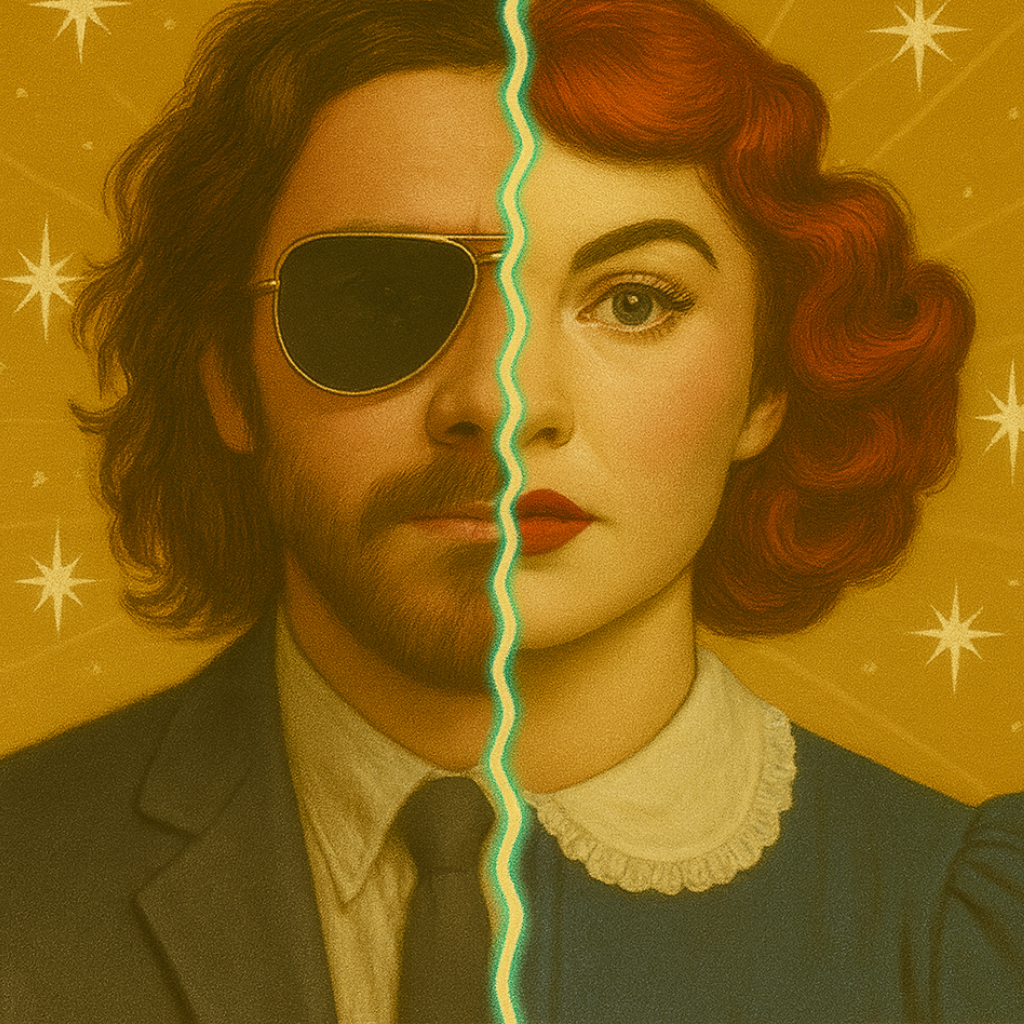
Vestido de Fiesta de La Tarara
A 1979 Spanish-language pop dance number built on the traditional song "La Tarara": a green dress full of ruffles and bells, a girl who dances and cannot stop, and the party begins.
Listen
Lyrics
La Tarara sí
La Tarara no
La Tarara niña
Que la he visto yo

Llevaba la Tarara
Un vestido verde
Lleno de volantes
Y de cascabeles

La Tarara sí, sí, sí, sí
La Tarara no, no, no, no
La Tarara niña
Que la he visto yo, yo, yo, yo

Tiene la Tarara
Unos pantalones
Que de arriba a bajo
Todos son botones

Baila, baila
Gira, gira
La Tarara niña
Que la he visto yo

Vestido blanco
Tan elegante
Pero cuando baila
Se vuelve vibrante

La Tarara sí, la he visto bailar
La Tarara no, no puede parar
La Tarara niña
Que la he visto yo

La Tarara sí
La Tarara no
La Tarara baila
Y la fiesta empezó

La Tarara sí, la he visto bailar
La Tarara no, no puede parar
La Tarara niña
Que la he visto yo

La Tarara sí
La Tarara no
La Tarara baila
Y la fiesta empezó

La Tarara sí
La Tarara no
La Tarara niña
Que la he visto yo

La Tarara sí
La Tarara no
La Tarara baila
Y la fiesta empezó
Background & Story
"Vestido de Fiesta de La Tarara" is Frankie Evanz singing in Spanish. It belongs to the late 1970s, when she set out to open new audiences and new languages for her songs, and it takes the most direct route there is: a melody the room already knows. The traditional Spanish song "La Tarara" is in the public domain and has been sung to children and at parties for longer than anyone can date; this version keeps its refrain and dresses it for the dance floor.
The lyric is all costume and motion. La Tarara wore a green dress full of ruffles and bells. She has trousers that are buttons from top to bottom. She wears white, elegant, and then she dances and turns vibrant, and the party begins. The singer has seen her, insists on it, and cannot say whether it is yes or no.
It closes the Positronic Mechanicals era in the catalog, a year before the timeline turns to the Human-Like Age. By 1979 the band played orbital hotels and Martian arenas; this is the sound of a positronic singer reaching a crowd in its own language rather than hers.
Themes & Analysis
Every other song in the catalog is in English. This one is the moment Frankie treats language as a door rather than a fixture, and the choice of a traditional song is the point: she is not bringing the audience to her world, she is walking into theirs with something they already love and adding a beat.
The song's sí and no, repeated until they stop meaning yes or no, is also the catalog's most cheerful version of a question it usually asks darkly. Have you seen her? The singer has. Whether the girl in the party dress is one thing or another is not settled and does not need to be; she dances, and the party starts.
Fun Facts
Frequently Asked Questions
What is 'Vestido de Fiesta de La Tarara' about?+
A girl called La Tarara in her party dress: green ruffles and bells, trousers made of buttons, white and elegant until she dances and cannot stop. It is a dance number built on the traditional Spanish song "La Tarara".
Why does Frankie Evanz sing in Spanish?+
In the late 1970s she set out to open new audiences and new languages for her songs. This 1979 recording is that attempt, built on a melody Spanish-speaking listeners already knew.
Is 'La Tarara' a traditional song?+
Yes. "La Tarara" is a traditional Spanish folk song in the public domain. This version keeps its refrain and adds new verses.